
Commercial flooring and wall repair between trading periods
Direct answer:Discover how Hong Kong commercial spaces execute rapid flooring and wall repairs between trading periods using advanced rapid-setting materials and strict off-hours planning.
Ask on WhatsAppArticle visual
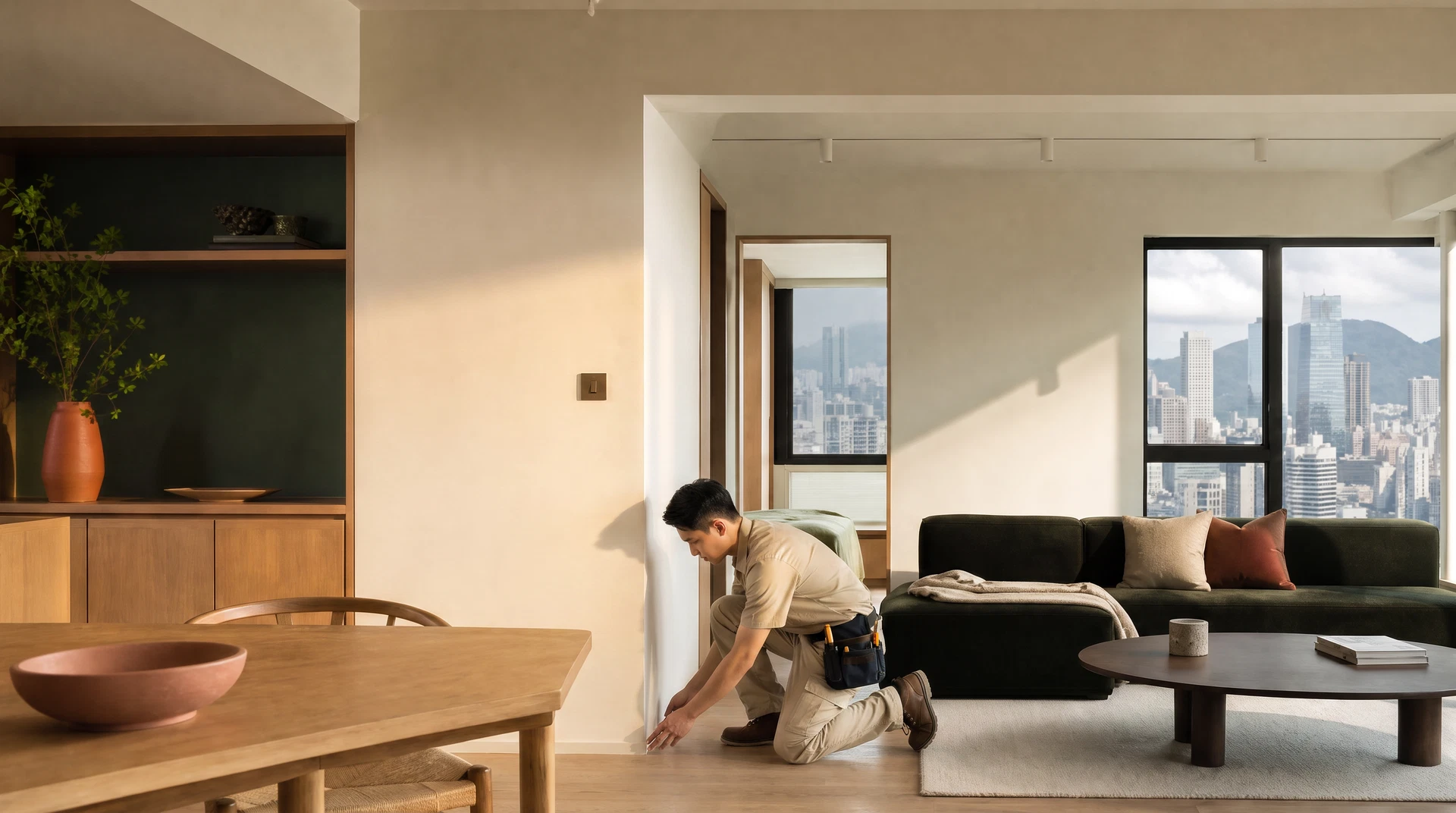
Commercial flooring and wall repair between trading periods in Hong Kong is efficiently managed by scheduling rapid-turnaround works during overnight windows, weekends, or scheduled business closures, utilizing fast-curing resinous flooring systems, quick-setting patching compounds, and strict dust-containment measures to ensure zero disruption to retail, hospitality, or corporate operations. In high-density commercial hubs such as Central, Tsim Sha Tsui, and Causeway Bay, business operators face immense rental overheads and continuous customer traffic. Consequently, maintenance cannot afford prolonged shutdowns. By deploying specialized rapid-setting materials, experienced contractors can complete structural floor leveling, tile grouting, drywall patching, and surface repainting within tight timeframes ranging from four to eight hours. This approach allows retail stores, restaurants, clinics, and corporate offices to close after business hours and reopen fully operational the next morning, maintaining safety compliance and pristine aesthetic standards without sacrificing revenue.
Understanding Time Constraints in Hong Kong Commercial Spaces
The commercial real estate landscape in Hong Kong is characterized by high rental costs, compact floor plans, and stringent building management office (BMO) regulations. Retail boutiques, shopping mall outlets, F&B establishments, and corporate headquarters operate on tight schedules where every hour of downtime translates directly to financial loss. When flooring suffers from cracked tiles, gouged vinyl, or peeling resin, or when partition walls exhibit unsightly dents, scuff marks, and drywall fractures, facility managers cannot wait for multi-day renovation cycles.
Furthermore, Hong Kong shopping malls and commercial towers enforce strict building bylaws regarding noisy or dusty works. Heavy construction is typically restricted to overnight hours—often between 11:00 PM and 7:00 AM—or limited weekend trading breaks. Contractors must mobilize quickly, transport materials through designated service lifts, establish temporary dust barriers, and complete all messy operations before morning cleaning crews arrive. Understanding these strict operational realities is essential for planning successful maintenance interventions that satisfy both business continuity and landlord compliance requirements.
Rapid-Setting Flooring Materials and Application Techniques
Flooring in commercial premises bears the brunt of heavy foot traffic, rolling trollies, and furniture repositioning. When tiles crack, vinyl planks lift, or concrete screeds spall, immediate intervention is required to eliminate tripping hazards and maintain professional branding. Traditional cementitious mortars require 24 to 48 hours to cure fully, making them impractical for overnight repairs. Modern commercial repair strategies instead rely on advanced chemical formulations designed for ultra-fast curing.
Epoxy Mortars vs. Fast-Cure Polyurethane Screeds
When selecting flooring repair materials for overnight execution, facility managers generally choose between epoxy mortar systems and fast-cure polyurethane screeds. Epoxy mortars provide exceptional compressive strength, chemical resistance, and wear durability, making them ideal for high-impact back-of-house areas, commercial kitchens, and loading bays. They can be formulated with fast hardeners that achieve traffic-ready status within three to four hours at standard ambient temperatures.
Conversely, fast-cure polyurethane screeds offer superior thermal shock resistance and slight elasticity, accommodating subtle structural substrate movements without cracking. This flexibility makes them highly suitable for retail showrooms and reception areas subject to temperature fluctuations from air conditioning systems. For retail shop owners facing severe floor tile lifting or wear between operational hours, professional contractors can deploy high-performance resin coatings. To explore tailored solutions, property managers can review our hong kong home repair services service to understand how specialized resinous flooring can be installed overnight without disrupting daytime retail operations.
Wall Patching and Surface Refinishing During Trading Breaks
Interior walls in high-traffic commercial environments endure constant physical impacts from customer traffic, luggage, merchandise restocking, and display furniture. Drywall partitions, masonry columns, and plaster finishes frequently develop deep gouges, corner chipping, and spiderweb cracks. Left unaddressed, these defects degrade interior aesthetics and can expose interior framing to moisture or structural wear.
Managing Drywall Joint Cracks and Scuff Marks Overnight
Repairing partition walls within a restricted overnight window requires specialized techniques and fast-drying chemical compounds. Standard gypsum-based joint compound takes hours to dry, especially in humid Hong Kong conditions. Professional repair teams utilize rapid-hardening plaster and setting-type joint compounds that cure through chemical hydration rather than air drying, achieving full hardness in as little as 30 to 60 minutes.
Commercial partition walls frequently sustain dents, corner damage, and drywall cracks from heavy customer traffic or stock trolleys. For seamless surface restoration before the morning shift, operators often rely on our emergency home repair Hong Kong solutions to ensure walls are patched, sanded, and repainted with low-VOC, quick-drying emulsion paints before the first morning customer walks through the door.
Managing Noise, Dust, and Ventilation Compliance in HK Buildings
Executing repair works between trading periods in multi-tenant commercial buildings involves rigorous adherence to environmental, health, and safety standards. Building management offices enforce strict rules governing airborne particulate containment, volatile organic compound (VOC) odors, and permissible noise decibel levels during night shifts.
To comply with these regulations, contractors deploy negative air pressure machines equipped with high-efficiency particulate air (HEPA) filters to capture sanding dust at the source. Zip-wall containment systems and heavy-duty flame-retardant plastic sheeting isolate the work zone from adjacent tenant spaces. Furthermore, selecting low-odor, zero-VOC repair compounds and water-based sealants prevents chemical fumes from permeating central air-conditioning ducts or disturbing neighboring offices and residential apartments above the commercial podium. Safety protocols also align with the Labour Department guidelines on safe renovation practices, ensuring technicians utilize proper personal protective equipment (PPE) and safe electrical tools during late-night shifts.
Practical Checklist for Off-Hours Maintenance Coordination
Successfully executing commercial repairs between trading shifts requires meticulous pre-planning and close coordination between business owners, facility managers, and specialized contractors. The following itemized checklist outlines the essential steps to ensure a seamless overnight repair cycle:
- **Pre-Inspection and Scope Definition:** Document all damaged floor tiles, wall cracks, and structural defects with high-resolution photographs and precise measurements before the intervention date.
- **BMO Notification and Permit Approval:** Submit renovation notices, contractor insurance certificates, and work schedules to the building management office at least 48 to 72 hours in advance.
- **Material Staging and Logistics:** Coordinate freight lift reservations, delivery timing, and temporary material storage to prevent congestion in loading bays.
- **Workspace Isolation and Protection:** Install dust barriers, floor protection sheets, and warning signage around the repair perimeter to safeguard adjacent stock and fixtures.
- **Execution and Curing Verification:** Apply rapid-setting materials, monitor ambient humidity and temperature, and perform touch-up sanding and painting within the designated timeframe.
- **Post-Repair Cleanup and Handover:** Conduct a thorough industrial vacuum cleanup, remove all debris off-site, and perform a joint walkthrough inspection prior to opening the premises for trading.
Additionally, facility managers can reference the material comparison breakdown below to select optimal repair compounds:
| Material Category | Typical Application | Primary Advantage | Full Curing Time | Traffic Readiness |
|---|---|---|---|---|
| **Fast-Cure Epoxy Mortar** | High-impact floors, loading bays, kitchens | Extreme compressive strength, chemical resistance | 3 to 4 hours | 4 hours |
| **Polymer-Modified Screed** | Retail showrooms, office corridors | Smooth finish, excellent leveling | 4 to 6 hours | 6 hours |
| **Rapid-Setting Gypsum Plaster** | Drywall patches, wall gouges, corner repairs | Shrink-resistant, excellent adhesion | 30 to 45 minutes | 1 hour |
| **Quick-Dry Joint Compound** | Partition wall cracks, tape embedding | Easy sanding, smooth feathering | 45 to 60 minutes | 1 hour |
Actionable Next Steps and WhatsApp Consultation Preparation
When commercial flooring or wall damage threatens business operations or brand image, postponing repairs only leads to accelerated deterioration and potential safety liabilities. Initiating timely remediation during off-peak trading intervals safeguards both patron safety and aesthetic integrity. To streamline the repair process and ensure a rapid quotation and mobilization, property managers and business owners should prepare specific details before reaching out via WhatsApp.
Before initiating a consultation, gather clear photographs of the damaged flooring and walls, note the exact dimensions of the affected areas, and outline your permissible working window—such as between midnight and 6:00 AM or specific weekend hours. Sharing building access restrictions, freight lift dimensions, and ventilation details with your repair partner enables precise material selection and immediate crew allocation. By partnering with experienced commercial maintenance professionals familiar with Hong Kong's rigorous building standards, businesses can achieve flawless facility restorations without losing a single hour of trading revenue.
Related services
Related guides
FAQ
How can commercial flooring and wall repairs be completed without disrupting daily business operations in Hong Kong?
Repairs are scheduled during non-trading hours, such as overnight windows (typically between 11 PM and 7 AM) or weekend closures. Contractors utilize rapid-curing resinous flooring, quick-setting patching compounds, and strict dust-containment systems to ensure the space is fully traffic-ready and pristine before morning opening.
What types of flooring materials are suitable for rapid overnight repairs in retail shops and restaurants?
Fast-cure epoxy mortars and rapid-setting polyurethane screeds are ideal because they achieve high compressive strength and traffic readiness within 3 to 4 hours, eliminating the prolonged curing times associated with conventional cementitious screeds.
What approvals or safety measures are required by Hong Kong building management offices for night-shift renovation works?
Contractors must submit renovation notices, insurance documents, and work schedules to the building management office (BMO) in advance. Work zones must feature dust containment barriers, HEPA air scrubbers, and adhere to safety guidelines for night operations and noise control.
What information should facility managers prepare before contacting a commercial repair contractor via WhatsApp?
Facility managers should prepare high-resolution photographs of the damaged areas, approximate square footage or linear dimensions, available working hour windows (such as overnight or weekend breaks), and any specific building access or freight lift restrictions.