
Commercial property repair: reducing disruption during business hours
Direct answer:Discover expert strategies for managing commercial property repairs in Hong Kong during business hours, minimizing tenant disruption, and coordinating with building management.
Ask on WhatsAppArticle visual
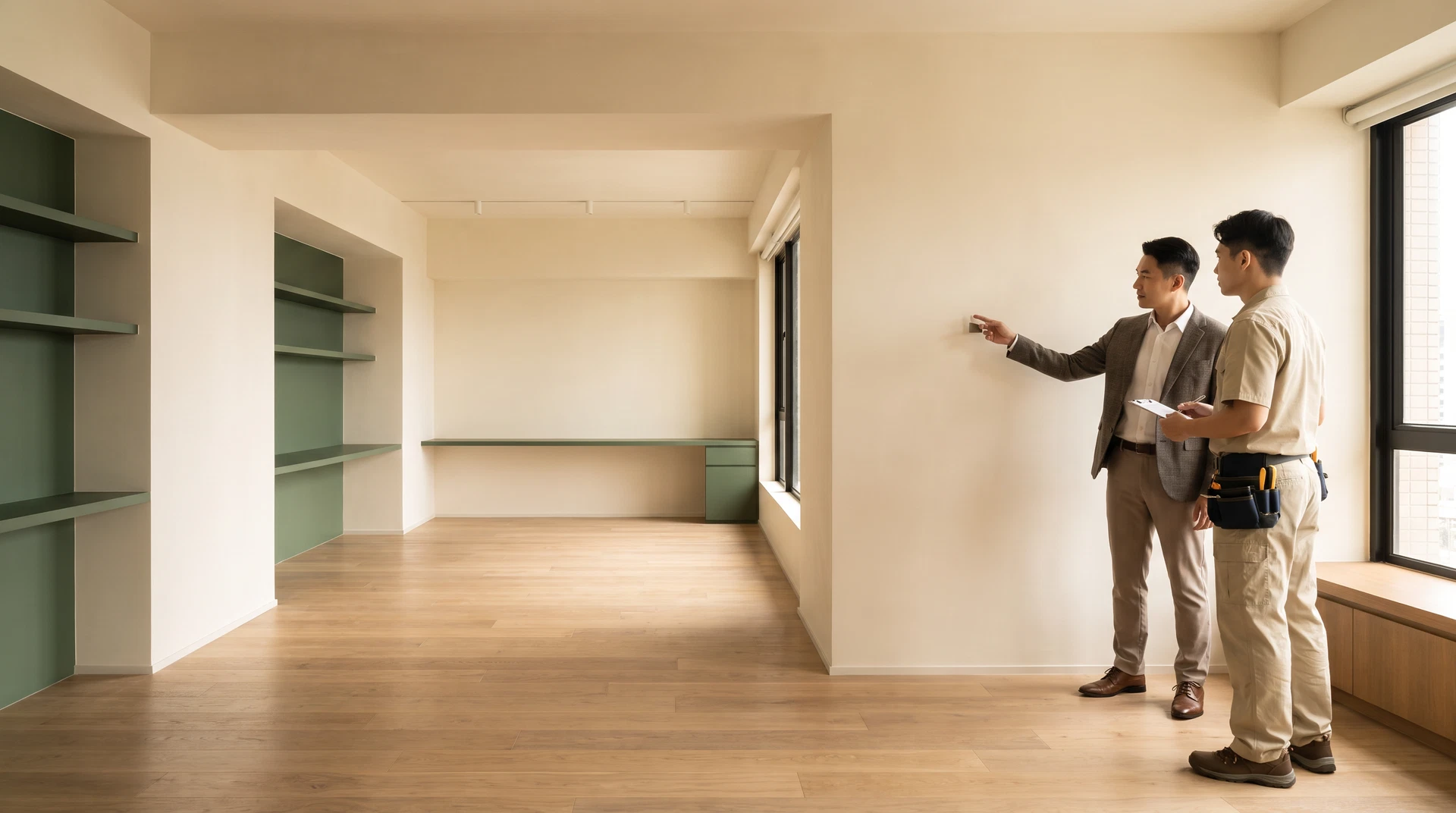
Minimizing operational disruption during commercial property repairs requires a structured approach centered on strategic scheduling, rigorous environmental containment, transparent stakeholder communication, and close coordination with building management offices. For business owners, office managers, and facility supervisors operating in high-density commercial environments across Hong Kong—such as core business districts in Central, Kwun Tong, or Tsim Sha Tsui—maintaining continuous business operations while essential maintenance or remedial works take place is a critical operational priority. By establishing proactive work windows, utilizing targeted acoustic and dust barriers, and aligning contractor timelines with building regulations, commercial properties can successfully execute necessary repairs without sacrificing tenant productivity or customer experience.
Understanding the Operational Challenges of Commercial Repairs in Hong Kong
Commercial property maintenance in metropolitan environments presents unique logistical and structural challenges. Unlike residential settings where repair schedules can be flexible, commercial properties operate under strict lease covenants, rigorous building management guidelines, and continuous foot traffic from staff, clients, and visitors.
High-Density Environments and Multi-Tenant Buildings
Most commercial spaces in Hong Kong are housed within multi-story commercial towers, strata-title office buildings, or bustling retail complexes. In these high-density settings, any disruptive activity—such as core drilling, plumbing shutdowns, or electrical rewiring—can instantly impact adjacent tenants, shared corridors, elevator lobbies, and common facilities. Facility managers must account for vertical transportation bottlenecks, shared loading bays, and strict noise ordinances enforced both by statutory bodies and building management committees. Furthermore, shared building services such as central air conditioning ducts, main drainage risers, and common electrical risers mean that repairs in one unit often require careful coordination with upstream and downstream occupants.
Strict Building Management Office (BMO) Regulations and Working Hours
Building Management Offices (BMOs) impose rigorous restrictions on when, how, and by whom repair works can be conducted. Common restrictions include mandatory pre-approvals for noisy works, designated freight lift usage hours, strict debris removal protocols, and designated working windows that avoid peak business hours or quiet hours. Navigating these rules successfully requires thorough advance planning, submission of contractor insurance certificates and safety plans, and strict adherence to safety and environmental standards established by regulatory bodies such as the Labour Department and the Buildings Department.
Core Strategies for Minimizing Business Interruption
Implementing an effective repair strategy involves balancing the urgency of facility maintenance with the continuity of daily commercial activities. Property managers and business owners should deploy a combination of operational frameworks to isolate work zones and maintain normal business flow across all departments.
- **Phased Work Zoning:** Dividing large-scale renovation or repair projects into isolated zones allows contractors to work section by section, ensuring that at least seventy percent of the workspace remains fully operational at any given time while containing dust and noise behind temporary hoardings.
- **Off-Peak and Night Scheduling:** Shifting high-impact, noisy, or utility-disruptive tasks to non-business hours, weekends, or overnight windows entirely eliminates daytime friction for office workers, retail shoppers, and client-facing personnel.
- **Proactive Utility Management:** Coordinating temporary power generators, auxiliary water supplies, or data bypass systems prior to shutting down main building services ensures that critical IT infrastructure, servers, and customer service desks remain powered.
- **Strict Waste and Material Routing:** Establishing dedicated pathways for contractor entry, material staging, and debris disposal prevents congestion in main public corridors, passenger elevator lobbies, and reception areas.
- **Regular Stakeholder Briefings:** Maintaining open channels of communication with all affected tenants and department heads ensures that everyone is aware of upcoming works, expected noise levels, and temporary access changes well in advance.
- **Contingency Planning and Rapid Response:** Preparing backup plans for unexpected service interruptions—such as emergency water pipe leaks or electrical overloads—ensures that rapid response teams can intervene instantly without disrupting broader business operations.
Strategic Comparison: Off-Hours vs. Phased Daytime Repairs
Choosing the right execution window depends on the nature of the repair, the physical layout of the commercial space, and the tolerance of occupants to noise, dust, and visual interruption. The following comparison outlines the primary operational trade-offs between off-hours execution and phased daytime repairs.
| Evaluation Metric | Off-Hours / Night Execution | Phased Daytime Execution |
|---|---|---|
| **Business Disruption** | Minimal to zero daytime noise and visual clutter; staff and clients experience undisturbed working conditions. | Moderate daytime impact; localized noise, restricted movement, and visual barriers in active zones. |
| **Labor and Operational Costs** | Higher contractor labor rates due to overnight shift premiums, overtime charges, and security coordination fees. | Standard contractor rates; normal working hours reduce overtime overhead and logistical complexity. |
| **Project Completion Speed** | Often faster continuous working windows without daytime occupancy interruptions, reducing total calendar duration. | Potentially extended project duration as work is restricted to specific hours or smaller incremental zones. |
| **BMO and Statutory Compliance** | Requires strict night security clearance, noise permit applications, and advance building management notification. | Aligned with standard building operation hours, though noisy works still require specific BMO time allocations. |
Communication Protocols with Tenants, Staff, and Building Management
Clear, timely, and structured communication is the backbone of any successful commercial property repair project. When maintenance works are executed without adequate notice, frustration rises, productivity drops, and tenant relations suffer. Facility managers should implement a standardized notification protocol that begins at least two weeks prior to commencement.
Initial notices should outline the scope of work, expected duration, specific areas affected, and mitigation measures put in place by the property team. Follow-up reminders must be sent forty-eight hours before any major milestone, such as a temporary water shutoff or heavy drilling phase. Furthermore, establishing dedicated communication channels—such as a designated property helpline or a rapid-response WhatsApp broadcast group—allows building occupants to report unexpected issues immediately. For businesses seeking comprehensive facility maintenance frameworks, exploring professional air conditioning maintenance commercial solutions can streamline ongoing property upkeep.
Technical Mitigation: Noise, Dust, and Access Control
Physical protection measures are essential to safeguard indoor air quality, protect sensitive office equipment, and maintain a professional aesthetic appearance during repairs. Contractors working in commercial properties must implement rigorous engineering controls rather than relying solely on administrative warnings.
Dust containment requires the erection of airtight floor-to-ceiling hoarding constructed from fire-retardant materials, combined with negative pressure air filtration units equipped with HEPA filters to prevent dust migration into active office areas. Acoustic mitigation involves installing sound-dampening blankets around cutting and drilling zones, scheduling high-decibel operations during tightly regulated mid-day windows, and using vibration-damped tools. Additionally, heavy-duty floor protection runners must be laid across all high-traffic corridors to prevent carpet staining and tile chipping. For organizations requiring specialized structural evaluations or remedial engineering support, professional office reinstatement HK services ensure compliance with local building standards.
Next Steps and WhatsApp Inquiry Preparation for Facility Managers
Executing commercial property repairs smoothly requires partnering with experienced professionals who understand the nuances of commercial lease obligations, building management requirements, and workplace health and safety guidelines. Facility managers and business owners should proactively assess their maintenance needs, review upcoming inspection schedules, and engage qualified maintenance specialists before minor defects escalate into major operational hazards. When reaching out for a professional consultation, preparing a clear summary of your repair requirements accelerates the assessment process.
WhatsApp Inquiry Preparation Checklist
- **Property Details:** Confirm the exact district, building type (e.g., commercial tower, industrial-commercial building, street-level retail shop), and approximate floor area.
- **Nature of Repair:** Specify whether the issue involves electrical systems, plumbing, structural waterproofing, partition walls, or general interior fit-out maintenance.
- **Building Management Constraints:** Note the approved working hours permitted by your Building Management Office (BMO) and any specific freight lift reservation rules.
- **Timeline and Urgency:** Indicate your target start date, required completion window, and whether the work must be executed during weekends or overnight shifts.
- **Site Photos or Video:** Capture clear visuals of the affected area, access points, and surrounding interior finishes to provide technicians with an accurate preliminary assessment.
Related services
Related guides
FAQ
How can commercial property repairs be scheduled without disrupting daily business hours?
Repairs can be organized through phased work zoning, off-peak or overnight scheduling, and coordinating temporary utility bypass systems. This isolates noisy or disruptive activities outside standard business hours.
What role does the Building Management Office (BMO) play during commercial repairs in Hong Kong?
The BMO regulates working hours, noise permissions, freight lift usage, and waste disposal protocols to ensure that maintenance works do not interfere with adjacent tenants or building safety.
What physical containment measures are required to control dust and noise in commercial offices?
Contractors typically use floor-to-ceiling fire-retardant hoarding, negative pressure air filtration units with HEPA filters, sound-dampening blankets, and heavy-duty floor protection runners.
What information should facility managers prepare before requesting a commercial repair consultation?
Facility managers should prepare property details (district, building type, area), the specific nature of the repair, BMO working hour restrictions, project timelines, and clear site photos or video walkthroughs.