
Water heater replacement and bathroom fixture planning
Direct answer:Explore essential guide for water heater replacement and bathroom fixture planning in Hong Kong homes, covering spatial optimization, safety compliance, and professional standards.
Ask on WhatsAppArticle visual
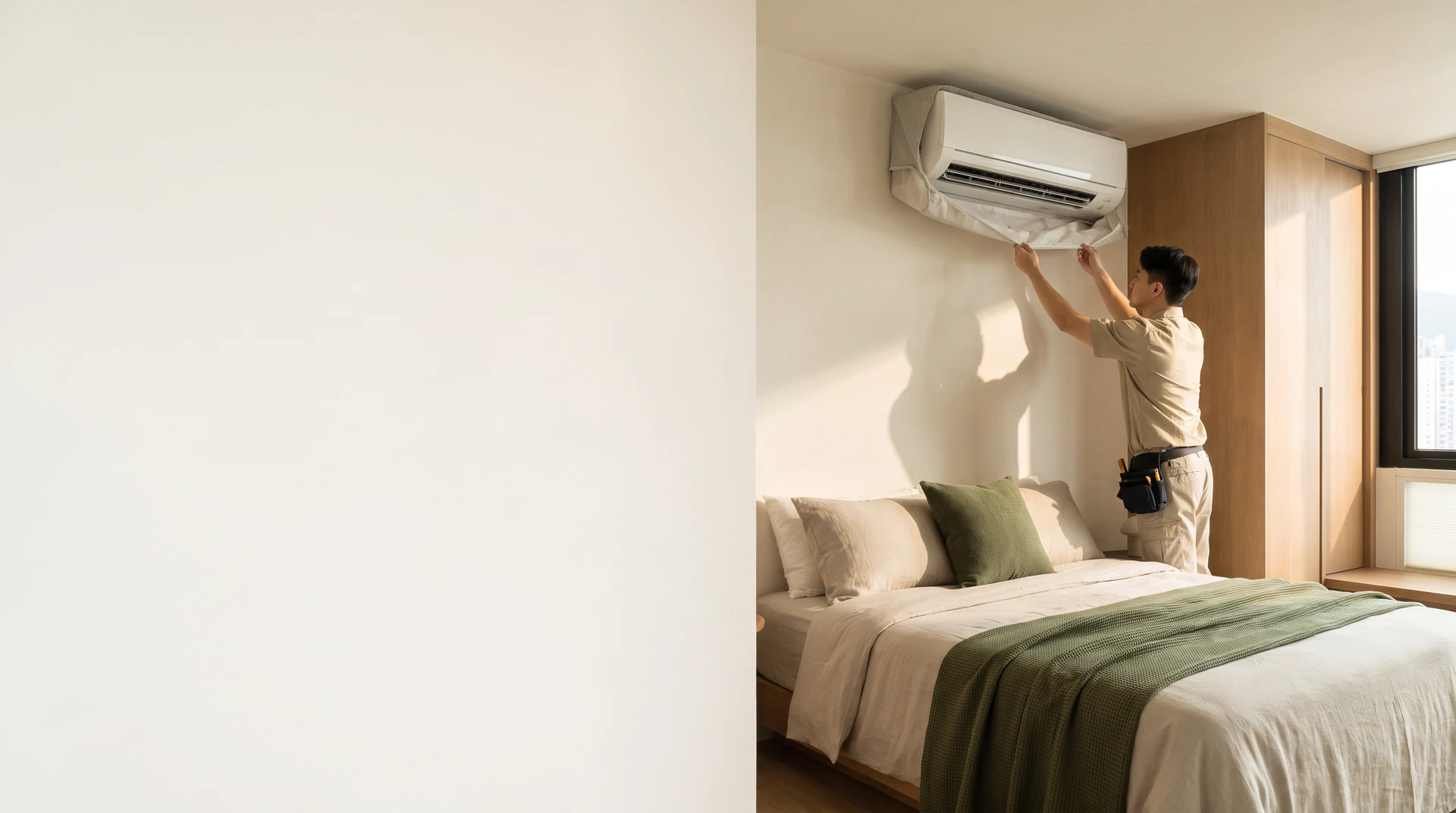
Replacing a water heater and planning bathroom fixtures in a Hong Kong residential or commercial property requires a meticulous balance between spatial efficiency, regulatory compliance, and daily utility. When an existing water heater reaches the end of its operational lifespan—often signaled by inconsistent water temperatures, rust discoloration, unusual humming noises, or unexpected leaks—homeowners must look beyond a direct appliance swap. Effective bathroom fixture planning during a replacement project ensures that electrical loads, gas supply pressures, ventilation pathways, and drainage configurations harmonize seamlessly with modern sanitary wares. Whether you are upgrading a compact apartment in urban districts like Mong Kok, a high-rise condominium in Mid-Levels, or renovating an older village house in the New Territories, a systematic approach prevents costly rework, ensures safety compliance under local statutory guidelines, and elevates long-term bathing comfort across all household members and commercial patrons.
Evaluating Your Current Water Heater and Bathroom Layout
Before selecting a new water heater or purchasing replacement bathroom fixtures, a comprehensive site assessment is essential. Hong Kong bathrooms are notoriously compact, meaning every square inch dictates equipment dimensions, clearance buffers, and fixture placement. Homeowners and property managers should evaluate several core infrastructure parameters before committing to any procurement plan:
- Electrical capacity and breaker panel limits (particularly for high-wattage electric storage or instantaneous units requiring robust amperage and independent circuits).
- Gas supply piping diameter, regulator condition, and combustion ventilation clearance for Towngas or LPG instantaneous water heaters.
- Existing water supply pressure, incoming water hardness, and pipe corrosion status across older galvanized iron or aging copper conduits.
- Spatial clearances around shower enclosures, vanity washbasins, toilet bowls, and swing doors to maintain ergonomic movement and accessibility.
- Structural load-bearing capacity of walls intended for heavy wall-mounted storage water heaters filled with hundreds of liters of water.
Addressing these parameters early allows property owners to identify potential infrastructure bottlenecks before purchasing hardware. For instance, transitioning from a low-capacity instant electric heater to a high-capacity storage tank often requires upgrading the dedicated electrical circuit breaker from 20A to 30A or higher, accompanied by proper cabling in accordance with Electrical and Mechanical Services Department (EMSD) codes of practice. You can explore professional insights on our kitchen sink drainage repair to understand how electrical and plumbing prerequisites are systematically verified prior to physical installation.
Understanding Water Heater Options and Comparative Integration
Selecting the right water heater depends heavily on fuel availability, household hot water demand, and architectural constraints. In Hong Kong, properties generally utilize three primary categories of water heaters, each possessing distinct operational characteristics and spatial demands:
Electric Storage Water Heaters
Electric storage tanks store and maintain a designated volume of heated water, typically ranging from 10 to 50 gallons (or 35 to 180 liters) for residential settings. They are ideal for bathrooms with multiple hot water outlets, such as a simultaneous rain shower and bathtub setup. However, their physical footprint is substantial, requiring sturdy wall anchoring or concealed false ceiling integration. Insulation quality is paramount to minimize standby heat loss during cooler winter months.
Instantaneous Gas Water Heaters
Towngas and liquefied petroleum gas (LPG) instantaneous heaters heat water on demand as it flows through a heat exchanger. They offer endless hot water without storage bulk, making them exceptionally popular in Hong Kong high-rises. Proper flue installation, fan-assisted extraction, and unhindered combustion air supply are mandatory to prevent carbon monoxide accumulation, governed strictly by local gas safety regulations.
To assist property owners in evaluating their options, the following comparative matrix outlines key performance characteristics, spatial requirements, and ideal installation scenarios for Hong Kong properties:
| Water Heater Type | Primary Energy Source | Space Requirements | Ideal Bathroom Setup | Regulatory & Safety Focus |
|---|---|---|---|---|
| **Electric Storage** | Electricity (220V) | Medium to High (Wall/Ceiling) | Multi-fixture bathrooms requiring steady high flow | Dedicated high-amp circuit, pressure relief valve |
| **Instantaneous Gas** | Towngas / LPG | Low (Compact wall unit) | Standard apartments with gas supply infrastructure | Flue gas ventilation, EMSD approved contractor |
| **Instantaneous Electric** | Electricity (High Amperage) | Minimal (Under-sink or shower wall) | Single shower point or small guest bathrooms | Heavy-duty wiring, residual current device (RCD) |
| **Heat Pump / Hybrid** | Electricity & Ambient Air | High (Requires ventilation space) | Large apartments, village houses, commercial sites | Ambient airflow clearance, professional commissioning |
This comparison underscores that fixture planning cannot be performed in isolation. Selecting an electric storage unit requires reinforcing bathroom partition walls, whereas choosing a gas instantaneous model dictates the exact routing of exhaust flues relative to bathroom windows and ventilation shafts. For comprehensive guidance on coordinating these trade-offs, consult our specialized water heater repair and installation which details end-to-end project management frameworks.
Bathroom Fixture Planning and Spatial Optimization
Integrating new bathroom fixtures alongside a water heater replacement demands rigorous spatial planning. In Hong Kong, where bathroom floor areas frequently range between 35 to 60 square feet, optimizing ergonomics is paramount to prevent cramped conditions and ensure ease of cleaning.
Sanitary Ware Ergonomics and Clearance
Washbasins, water closets, and shower trays must maintain adequate clearance zones to ensure comfortable daily use. For example, a minimum of 600mm clear floor space in front of washbasins and WCs is standard practice. When positioning a thermostatic shower mixer, plumbers must align hot and right-side cold water inlets precisely with the water heater output temperatures to prevent scalding risks. Furthermore, selecting wall-hung vanities and concealed toilet cisterns can create a visual illusion of spaciousness while simplifying floor maintenance.
Drainage and Waterproofing Integration
Water heater pressure relief discharge pipes and temperature-pressure relief valves must be routed safely to floor drains rather than discharging directly onto walking surfaces. Concurrently, bathroom floor screeding, slope angles, and waterproofing membranes must be meticulously inspected and repaired around fixture penetrations to prevent chronic seepage into structural slabs or downstairs units—a critical consideration in multi-story residential buildings across Hong Kong.
Statutory Compliance and Professional Installation Standards
Safety and legal compliance are non-negotiable aspects of water heater replacement and bathroom renovation in Hong Kong. Unauthorized installation or modification of gas and electrical installations poses severe safety hazards and violates local legislation.
All gas water heater installation, replacement, and commissioning must be executed by registered gas installers (RGIs) registered with the Electrical and Mechanical Services Department (EMSD). Similarly, fixed electrical wiring work must be performed by registered electrical workers (REWs). Homeowners should request valid registration credentials before work commences. Furthermore, plumbing works connected to the fresh water supply mains must adhere to Water Supplies Department (WSD) standards, ensuring that backflow preventers and approved valves are correctly installed to protect public health and water purity.
Maintenance Strategies and Longevity Optimization
To maximize the operational lifespan of newly installed water heaters and bathroom fixtures, proactive maintenance is essential. Hard water scaling, sediment buildup, and electrical surges are common challenges in urban environments. Annual inspections by qualified technicians should include flushing storage tanks, checking sacrificial anode rods in electric water heaters, verifying thermostat calibration, and testing pressure relief valves for proper mechanical movement. For bathroom fixtures, cleaning aerators, checking silicone sealant integrity around bathtubs and washbasins, and lubricating concealed flush valves prevent minor wear from turning into costly emergency repairs.
Next Steps and WhatsApp Inquiry Preparation
When you are ready to initiate your water heater replacement or bathroom fixture overhaul, thorough preparation streamlines the process and ensures accurate quotations from professional maintenance contractors. Before reaching out via WhatsApp or booking a site inspection, compile the following information:
- **Photographic Evidence:** Clear photos of your existing water heater, electrical fuse box, gas meter or supply valve, and bathroom layout.
- **Brand and Specification Details:** Model numbers and capacity ratings of current equipment to determine replacement compatibility.
- **Access and Constraints:** Note any building management restrictions, lift dimensions, or structural peculiarities in your estate.
- **Timeline Expectations:** Desired completion dates and any operational constraints for commercial or residential occupancy.
By preparing these details, your maintenance partner can provide precise technical feasibility assessments, transparent compliance verification, and efficient execution schedules.
Related services
Related guides
FAQ
What factors should I consider when replacing a water heater in a Hong Kong apartment?
Key factors include available electrical capacity or gas supply infrastructure, bathroom spatial constraints, household hot water demand, and statutory compliance under EMSD and WSD guidelines.
Can I switch from an electric storage water heater to a gas instantaneous water heater?
Switching depends on whether your building has Towngas or LPG supply pipes and suitable flue ventilation paths. An EMSD registered gas installer must evaluate site feasibility before any conversion.
Why is professional installation mandatory for water heaters in Hong Kong?
Professional installation by registered electrical and gas workers ensures adherence to safety codes, proper high-amperage wiring, safe gas combustion venting, and prevention of water leaks or electrical hazards.
What preparations should I make before contacting a maintenance service via WhatsApp?
Compile clear photos of your current water heater, fuse box, gas supply valve, and bathroom layout, along with equipment model numbers and any building management work restrictions.