
SPC flooring versus engineered wood versus tiles
Direct answer:Compare SPC flooring, engineered wood, and tiles for Hong Kong properties. Learn about moisture resistance, durability, climate challenges, and expert maintenance tips.
Ask on WhatsAppArticle visual
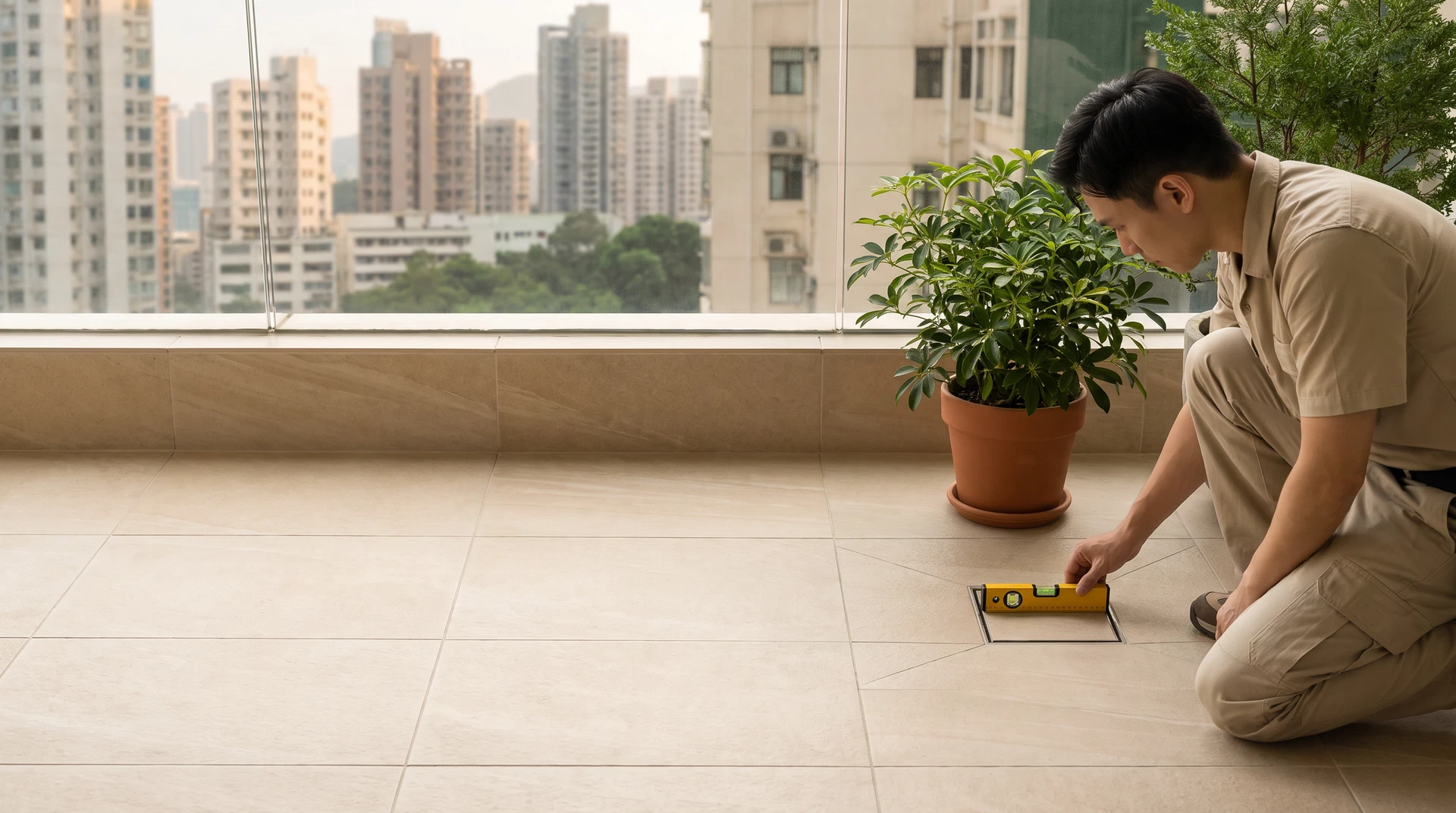
When selecting new flooring for a property in Hong Kong, the decision ultimately comes down to balancing high humidity resistance, structural durability, long-term maintenance requirements, and daily walking comfort. SPC flooring, engineered wood, and tiles each offer distinct advantages and limitations when exposed to the local subtropical climate, seasonal moisture fluctuations, and intensive residential or commercial usage. Understanding how each material performs under real-world conditions ensures that property owners make informed investments that prevent premature wear, costly remediation work, and operational downtime in commercial spaces. For homeowners planning a comprehensive interior upgrade, evaluating interior partition wall construction early in the renovation timeline helps establish a solid technical foundation for any chosen surface finish.
Understanding Hong Kong’s Subtropical Climate and Flooring Demands
Hong Kong experiences a demanding maritime subtropical climate characterized by prolonged hot, humid summers and pronounced seasonal swings in relative humidity, frequently exceeding eighty to ninety percent during the spring and summer months. This persistent moisture in the air directly impacts interior building materials, causing natural wood products to expand, warp, or cup if not properly acclimatized and installed with adequate expansion gaps. Furthermore, high-rise residential buildings, commercial offices, and village houses present diverse subfloor challenges, ranging from uneven concrete slabs to rising dampness in ground-floor premises. Property owners must carefully evaluate these environmental stressors before committing to a specific flooring medium.
Humidity and Seasonal Moisture Challenges in Coastal Environments
The cyclical transition between dry winter conditions and humid spring monsoons places continuous stress on flooring assemblies throughout the year. During humid periods, moisture vapor can migrate upward through concrete subfloors or condense on cooler surfaces, leading to mold growth beneath impermeable coverings or dimensional instability in sensitive wood veneers. Selecting a flooring material that resists moisture ingress or tolerates vapor pressure without degrading is essential for maintaining indoor air quality and structural integrity across residential apartments and commercial workspaces. Proper ventilation and humidity control are critical operational safeguards in local properties.
Subfloor Levelling and Preparation in Local Properties
Before any new flooring installation can take place, professional assessment and preparation of the concrete subfloor are mandatory. Many older buildings in Hong Kong feature uneven screeding, minor surface cracking, or residual dampness from previous renovation work. Addressing these imperfections through self-leveling compounds, moisture barriers, and thorough cleaning prevents future hollow spots, creaking, or tile cracking under heavy foot traffic. Professional technicians carefully inspect slab levels using specialized measuring tools to ensure a flat, stable substrate that supports the chosen flooring type without structural compromise.
SPC Flooring: Waterproof Durability and Modern Convenience
Stone Plastic Composite (SPC) flooring has gained significant popularity in recent residential and commercial projects across Hong Kong due to its rigid core construction and 100 percent waterproof properties. Composed of a mixture of limestone powder and stabilizers, SPC planks provide exceptional dimensional stability, meaning they do not expand or contract significantly with temperature and humidity fluctuations. This makes them highly suitable for areas prone to occasional water exposure, such as open-plan kitchens, corridors, and high-traffic living spaces where durability is paramount.
- **Rigid Core Stability**: Resists indentation from heavy furniture, rolling office chairs, and high-heeled shoes while maintaining structural flatness over imperfect subfloors.
- **Waterproof Performance**: Impervious to standing water, making accidental spills and wet mopping hassle-free without risk of warping or swelling.
- **Integrated Underlayment**: Many SPC products feature attached acoustic foam backing, which reduces impact sound transmission between multi-story apartments and complies with building acoustics standards.
- **Easy Maintenance**: Requires only routine sweeping and damp mopping with neutral cleaners to maintain a clean appearance over years of continuous use.
Engineered Wood: Natural Elegance and Comfort
Engineered wood flooring offers the authentic warmth, texture, and aesthetic appeal of genuine hardwood while providing improved structural stability compared to solid timber. Constructed with a real hardwood veneer top layer bonded over multiple cross-layered plywood or high-density fiberboard cores, engineered wood minimizes the natural tendency of wood to warp under changing humidity levels. In Hong Kong living rooms and master bedrooms, engineered wood creates a sophisticated, premium ambiance that is exceptionally comfortable for barefoot walking and sitting.
However, engineered wood requires careful climate control and moisture management in local buildings. Air conditioning and dehumidifiers play a vital role in maintaining stable indoor humidity levels during peak humid months. Property owners must promptly wipe up liquid spills and avoid excessive water during cleaning to prevent moisture penetration into the veneer joints. When properly maintained, engineered wood floors age gracefully, developing a rich patina that enhances the interior design of upscale residential properties and executive offices alike.
Tiles: Ultimate Longevity and Waterproof Performance
Ceramic and porcelain tiles remain a traditional and enduring flooring choice across Hong Kong kitchens, bathrooms, balconies, and high-traffic commercial establishments. Known for their exceptional durability, scratch resistance, and complete immunity to water damage, tiles provide unmatched longevity under demanding daily use. Porcelain tiles, in particular, undergo high-temperature firing that creates a dense, vitrified body with extremely low porosity, preventing moisture absorption and staining even when exposed to harsh cleaning chemicals.
Despite their functional durability, tiles present specific considerations regarding comfort and installation. Hard and cold underfoot during cooler winter days, tiled floors often benefit from strategic area rugs or underfloor heating systems in premium installations. Additionally, grout lines require periodic cleaning and sealing to prevent mold accumulation and discoloration in humid environments. Professional tile installation demands precise cutting, accurate alignment, and high-quality adhesive mortars to ensure long-term bonding and prevent hollow tiles or cracking over time.
Comprehensive Comparison and Evaluation Matrix
To assist property owners in determining the most appropriate flooring solution for their specific requirements, the following comparative evaluation examines core performance criteria across SPC flooring, engineered wood, and tiles.
| Evaluation Criterion | SPC Flooring | Engineered Wood | Ceramic / Porcelain Tiles |
|---|---|---|---|
| **Moisture Resistance** | Excellent (100% waterproof core) | Moderate (Sensitive to standing water & high humidity) | Outstanding (Impervious to water) |
| **Durability & Wear** | High resistance to dents and heavy foot traffic | Moderate to High (Veneer can scratch or dent) | Maximum longevity, highly resistant to scratches |
| **Underfoot Comfort** | Moderate (Firm, improved with acoustic pad) | High (Warm, resilient, and comfortable) | Low (Hard, cold surface during winter months) |
| **Maintenance Effort** | Low (Sweep and damp mop) | Moderate (Requires specialized wood cleaners & care) | Low to Moderate (Grout lines require periodic cleaning) |
| **Installation Complexity** | Low to Moderate (Click-lock system, floating) | Moderate (Glue-down or floating installation) | High (Requires skilled masonry, mortar, and grouting) |
Property owners should weigh these factors against their lifestyle, property type, and aesthetic preferences. For seamless coordination between material selection, subfloor remediation, and glass partition office home HK, consulting experienced renovation specialists ensures that every technical detail is addressed correctly from the outset.
Professional Consultation, Next Steps, and WhatsApp Preparation Checklist
Embarking on a flooring replacement or renovation project requires careful planning and coordination with qualified professionals. Whether upgrading a residential apartment or renovating a commercial retail shop, preparing essential information beforehand streamlines the initial consultation process and helps contractors provide accurate evaluations.
- **Floor Plan and Dimensions**: Prepare clear room measurements or architectural drawings detailing the total square footage and layout of the areas to be renovated.
- **Subfloor Condition Photos**: Capture clear photographs of the existing flooring and any visible subfloor cracks, uneven areas, or damp spots.
- **Usage and Environmental Assessment**: Note daily traffic levels, presence of pets or children, and specific room functions (e.g., wet areas vs. dry living spaces).
- **Building Management Rules**: Check estate or commercial building regulations regarding allowable working hours, material delivery elevators, and noise restrictions.
When reaching out via WhatsApp for initial inquiries, sharing these details along with your preferred material preference enables our repair team to offer tailored advice and schedule an on-site technical inspection promptly.
Related services
Related guides
FAQ
Which flooring material is best suited for high-humidity environments in Hong Kong?
SPC flooring and porcelain tiles offer the highest resistance to humidity and moisture, as their core structures are impervious to water and will not warp or swell during humid spring and summer seasons.
Can engineered wood flooring be installed in Hong Kong village houses or ground-floor units?
Engineered wood can be installed with proper subfloor moisture barriers and climate control, but ground-floor units with potential rising dampness generally require careful subfloor waterproofing or alternative moisture-resistant materials like SPC or tiles.
How does SPC flooring compare to traditional tiles in terms of installation time and disruption?
SPC flooring typically utilizes a click-lock floating installation method, which is faster, cleaner, and creates less noise and dust compared to the intensive masonry work, mortar mixing, and tile cutting required for tile installation.
What preparations should I make before contacting a flooring specialist for a site inspection?
Property owners should prepare approximate room dimensions, photos of the current subfloor condition, notes on occupant lifestyle and foot traffic, and any specific building management renovation guidelines.