
Routine home maintenance for Hong Kong’s humid climate
Direct answer:Discover essential routine home maintenance strategies for Hong Kong's humid climate, from effective dehumidification and mold prevention to professional inspection checklists.
Ask on WhatsAppArticle visual
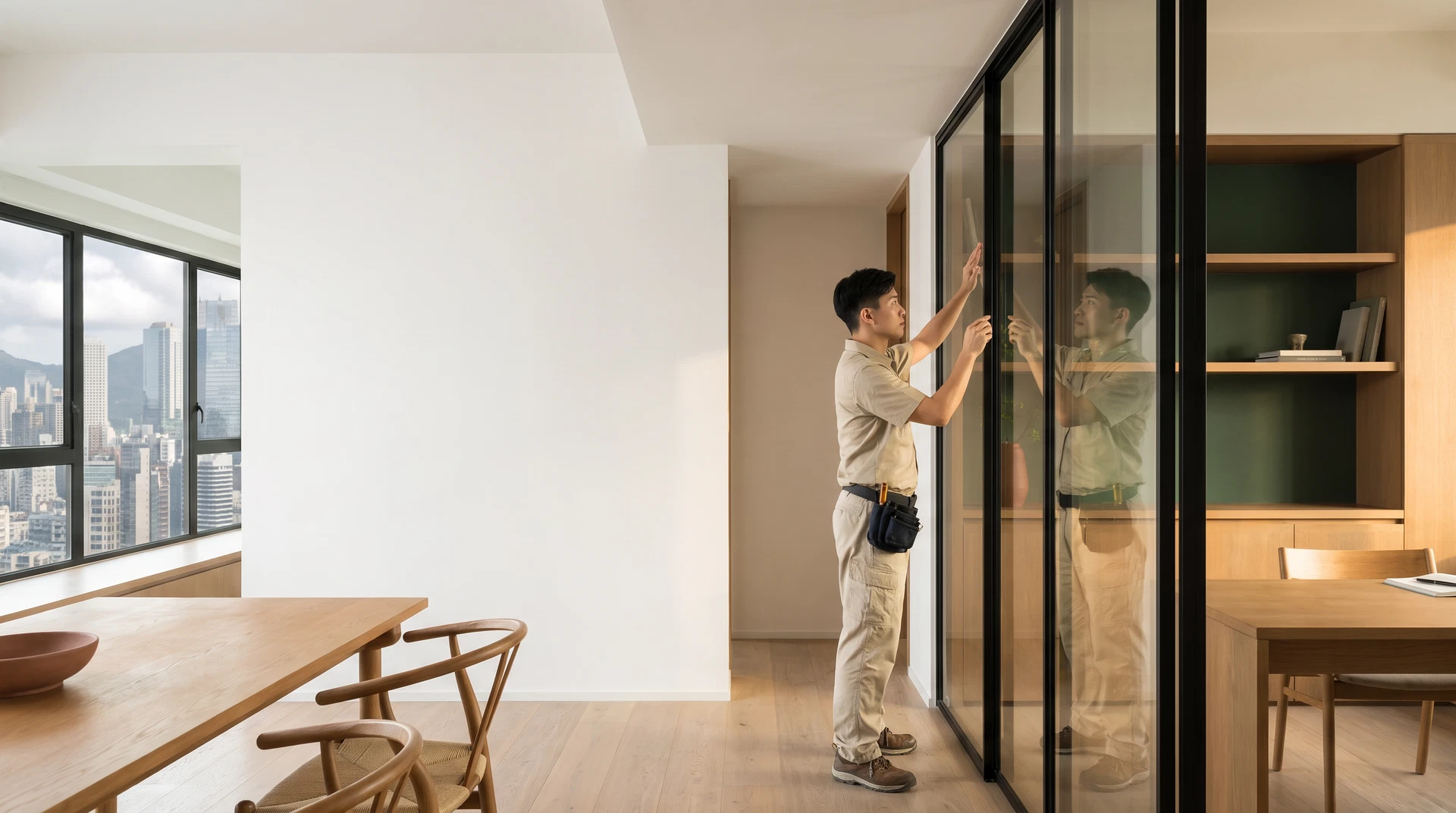
Effective home maintenance in Hong Kong requires establishing a proactive, year-round maintenance routine centered on controlling indoor relative humidity between 50% and 60%, sealing vulnerable building envelopes, maintaining proper mechanical ventilation, and conducting regular inspections of drainage systems and moisture-prone surfaces. Because Hong Kong experiences a subtropical maritime climate characterized by prolonged periods of high humidity, heavy rainfall during the monsoon season, and stagnant air during transitional spring months, residential and commercial properties face persistent risks including mold proliferation, timber warping, electrical short circuits caused by condensation, and masonry degradation. Property owners and occupants who implement systematic preventive care can safeguard their indoor environment, protect structural integrity, and avoid costly restorative repairs over the lifespan of the property. Furthermore, understanding the distinct seasonal shifts enables property managers to anticipate moisture-related challenges before they manifest as severe structural defects or hazardous indoor air quality issues.
Understanding Hong Kong’s Subtropical Humid Climate and Indoor Vulnerabilities
Hong Kong's climatic profile poses unique challenges for property management and daily living. Throughout the spring months, warm maritime airstreams frequently collide with residual cool structural surfaces, triggering significant surface condensation—a phenomenon locally recognized as spring dampness or *Hui Nam Tin*. During these critical periods, relative humidity frequently exceeds 90%, causing moisture to accumulate rapidly on tiled floors, painted walls, window frames, and unsealed wooden furniture across urban apartments and commercial offices alike.
The Impact of Spring Dampness and Seasonal Monsoons
The transition between seasons introduces drastic fluctuations in atmospheric temperature and moisture levels. During summer monsoons, torrential downpours and high ambient humidity test the waterproofing performance of external facades, roof terraces, and window assemblies. Water seepage through exterior walls or poorly sealed window joints can remain trapped behind interior finishes, fostering hidden mold colonies and weakening plaster integrity. Recognizing how weather patterns influence indoor microclimates is the fundamental first step toward effective property stewardship.
Common Structural and Material Damage Risks
High humidity actively compromises various building materials. Engineered wood flooring and solid timber doors absorb ambient moisture, leading to expansion, buckling, and difficulty in closing properly. Metal fixtures, hinges, and window locks are susceptible to oxidation and rust if protective coatings wear thin. Furthermore, damp corners, ceiling perimeters, and poorly ventilated bathrooms provide ideal breeding grounds for mold spores, which can severely impact indoor air quality and occupant well-being.
Daily and Seasonal Dehumidification Strategies for Urban Homes
Mitigating indoor moisture requires a balanced approach combining active mechanical dehumidification with natural airflow management. Relying solely on natural ventilation during peak humid months often introduces more moisture into the indoor space rather than removing it. Therefore, deploying reliable dehumidifiers in key living areas, bedrooms, and walk-in closets is essential for drawing excess moisture out of the ambient air.
Residents should strategically place dehumidifiers away from walls and bulky furniture to ensure unobstructed air intake and exhaust. Water tanks must be emptied and cleaned regularly to prevent bacterial growth and mold inside the reservoir. For long-term convenience, connecting a continuous drainage hose to a suitable floor drain allows unattended operation during extended absences. In addition, air conditioning units equipped with dedicated dry modes or humidity control settings assist in stabilizing indoor moisture levels across larger open-plan living spaces.
Dehumidifier Placement and Operational Best Practices
Proper positioning of dehumidifiers significantly enhances their operational efficiency. Placing units in central zones of high-moisture rooms allows air to circulate freely across the refrigeration coils. Furthermore, keeping internal doors open between adjoining rooms enables a single high-capacity unit to regulate humidity across multiple zones, reducing overall energy consumption and equipment wear. Regular maintenance of air filters ensures that dust accumulation does not impede airflow or reduce moisture extraction capacity.
Ventilation, Airflow Optimization, and Mold Prevention Protocols
Proper ventilation is vital for preventing stagnant air pockets where humidity accumulates and fosters mold growth. Property owners should establish daily airing routines during periods when outdoor relative humidity drops below indoor levels, typically during sunny afternoons or breezy autumn days. Exhaust fans in kitchens and bathrooms must be operated during and after cooking or showering, and left running for at least twenty minutes afterward to expel high-humidity air directly outdoors.
waterproofing and leak sealing
To prevent mold growth on vulnerable surfaces, occupants should clean walls and hard furniture using diluted vinegar or mild detergent solutions rather than harsh chemicals that damage protective finishes. Keeping interior doors between rooms open during daytime hours encourages cross-ventilation, reducing localized humidity spikes. For enclosed storage spaces such as wardrobes and shoe cabinets, placing breathable moisture-absorbing packets or louvered doors helps prevent musty odors and damp damage to garments and leather goods.
Comparison of Moisture Control Methods for Urban Residences
Selecting the appropriate moisture control method depends on room size, occupancy levels, energy consumption considerations, and seasonal weather conditions. The following comprehensive comparison outlines the primary characteristics, operational benefits, and optimal use cases for the three main moisture management approaches used in Hong Kong homes.
| Method / Approach | Primary Mechanism | Energy Efficiency | Best Application Scenario | Key Maintenance Requirement |
|---|---|---|---|---|
| **Electric Dehumidifier** | Condensation refrigeration coil | Moderate to High (Inverter models) | Bedrooms, walk-in closets, enclosed living rooms | Clean filters monthly, empty water tank or check hose |
| **Air Conditioner (Dry Mode)** | Cooling and dehumidifying coil | Lower (Higher compressor load) | Open-plan living and dining areas, commercial offices | Service filters and coils seasonally |
| **Natural Cross-Ventilation** | Ambient wind pressure and thermal draft | Zero Energy | Transitional dry seasons (autumn/winter days) | Clear window tracks, inspect insect screens |
Routine Inspection Checklist and Professional Maintenance Interventions
A structured inspection schedule enables property occupants to identify minor wear and tear before it escalates into major maintenance issues. Implementing a monthly and quarterly checklist ensures that all critical building components remain in optimal condition throughout the year.
- [ ] **Window Sealing Inspection**: Check exterior silicone sealant and rubber gaskets around window frames for cracking, shrinkage, or gaps that allow rainwater seepage.
- [ ] **Drainage and Trap Check**: Pour water into floor drains, kitchen sinks, and bathroom basin traps monthly to maintain the water seal and prevent foul odors or pest entry.
- [ ] **Air Conditioner Drainage Verification**: Inspect indoor unit drain pipes and flexible hoses to ensure condensate flows freely without blockage or dripping onto walls.
- [ ] **Timber and Door Alignment**: Test all interior and exterior doors to ensure smooth closure without binding caused by seasonal wood expansion.
- [ ] **Bathroom and Kitchen Grouting**: Examine tile grout lines and silicone seals around bathtubs, showers, and kitchen countertops for mold staining or cracking.
While routine cleaning and daily moisture management can be handled independently by property occupants, certain situations require specialized expertise and technical equipment. Engaging professional technicians ensures that complex building systems—such as concealed drainage networks, concealed electrical wiring, and exterior waterproofing membranes—receive thorough evaluation and remediation.
Property owners should consider scheduling periodic professional inspections for older residential buildings or commercial premises where hidden moisture damage may compromise structural safety. Professional maintenance teams utilize advanced moisture meters, thermal imaging cameras, and pressure-testing equipment to detect subsurface water leaks behind tiled walls or beneath flooring without causing destructive exploratory damage. Furthermore, establishing a long-term maintenance partnership ensures prompt intervention when seasonal weather events place exceptional stress on building envelopes.
Additionally, taking a structured approach to household maintenance helps preserve property value in Hong Kong's competitive real estate market. Property investors and homeowners alike benefit from maintaining detailed logs of seasonal maintenance activities, filter replacements, and professional service visits. Documenting these proactive measures not only extends the operational lifespan of major home appliances and interior fixtures but also provides valuable records should property evaluations or tenancy handovers take place. Through consistent attention to environmental controls, homeowners ensure a healthy and sustainable living space.
By combining diligent daily habits, timely seasonal preparations, and expert technical support when structural concerns arise, property owners in Hong Kong can successfully maintain a comfortable, dry, and resilient indoor environment regardless of external climatic pressures. For next steps, occupants should prepare a WhatsApp inquiry checklist detailing specific areas of concern (such as window sealant gaps, persistent condensation, or drainage slow-downs) along with photos of affected zones to streamline scheduling with maintenance professionals.
Related services
Related guides
FAQ
What is the recommended indoor relative humidity level for homes in Hong Kong?
It is generally recommended to maintain indoor relative humidity between 50% and 60%. This range prevents mold proliferation and wood warping while ensuring comfortable living conditions without excessive energy consumption.
How often should dehumidifier filters be cleaned during the humid spring season?
During peak humid months such as spring, dehumidifier filters should be inspected and cleaned at least once every two weeks. Regular cleaning prevents dust accumulation, maintains airflow efficiency, and ensures optimal energy performance.
Why does window condensation occur during Hong Kong's transitional spring weather?
Window condensation occurs when warm, moisture-laden maritime air encounters cold glass surfaces chilled by indoor air conditioning or cooler structural masonry. This temperature differential causes water vapor in the air to turn into liquid droplets on surfaces.
When should property owners seek professional help for dampness or water leakage issues?
Professional assistance should be sought when dampness persists despite continuous dehumidification, when water stains repeatedly appear on walls or ceilings, or when musty odors suggest hidden water seepage behind structural finishes.